Streaming Rights Reshape Global Sports Distribution 1 of 3
Key Takeaways:
The World Baseball Classic’s exclusive streaming deal with Netflix in Japan reflects the accelerating shift of premium sports rights toward digital platforms willing to pay significantly higher fees than traditional broadcasters.
For Major League Baseball, the arrangement prioritizes international revenue growth and global distribution strategy, even at the risk of reduced accessibility in markets with strong terrestrial TV traditions.
The move highlights a growing tension between monetization and reach, a dynamic that stadium operators and event stakeholders must increasingly consider when designing fan engagement and venue ecosystems.
Article Summary
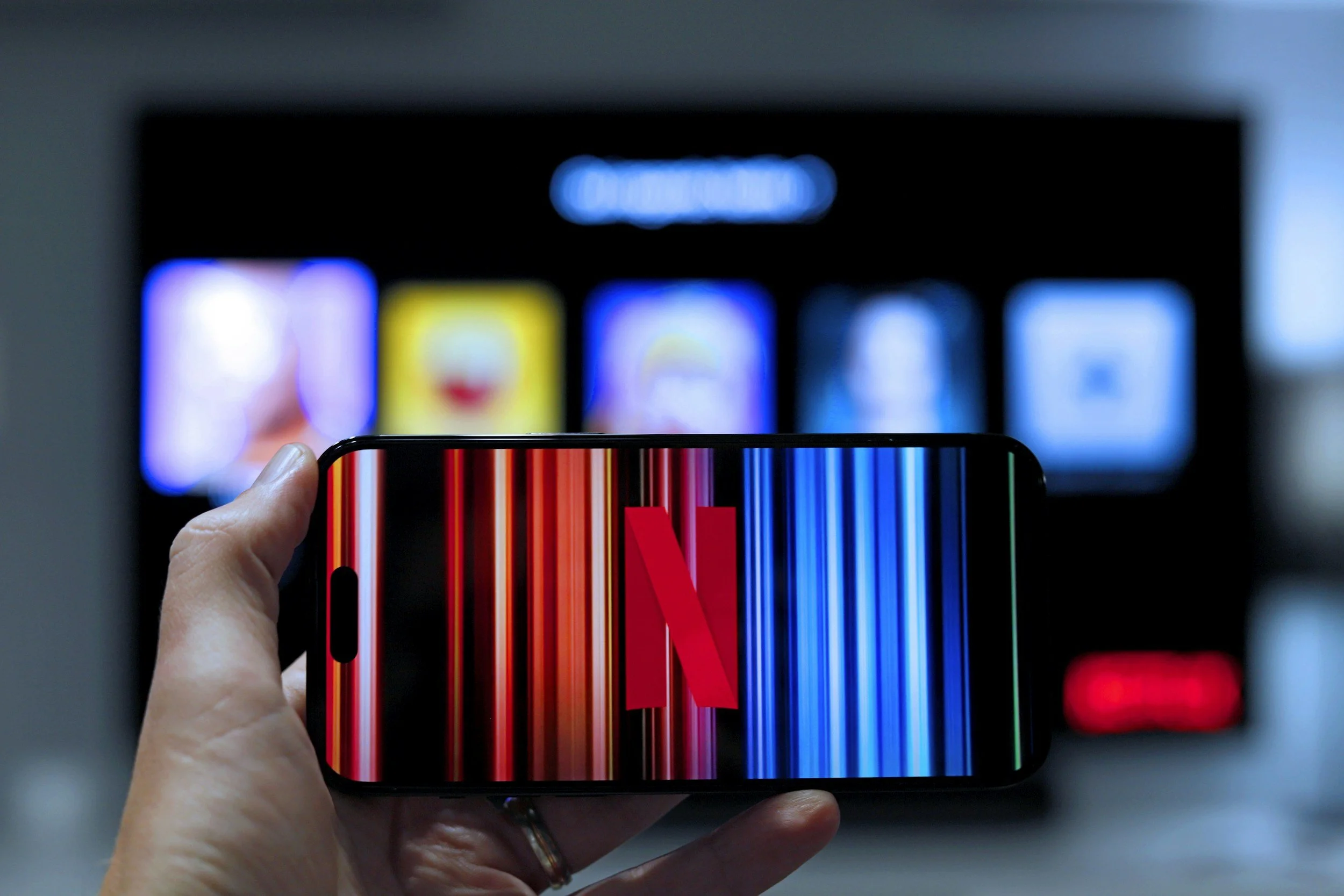
All 47 games of the 2026 World Baseball Classic are being streamed exclusively on Netflix in Japan. Rising broadcasting rights fees reportedly several times higher than the roughly ¥3 billion paid for the 2023 tournament priced traditional Japanese TV networks out of the market. Major League Baseball contracted directly with Netflix, marking the streaming platform’s first live sports broadcast in Japan. While the move aligns with MLB’s strategy to expand its international business, concerns remain that limiting access to a paid streaming service may reduce engagement in a country where major sporting events have historically been widely viewed on terrestrial television.
The Rising Value of Premium Sports Media Rights
The article highlights a familiar trajectory in global sports economics. Media rights are escalating rapidly, and digital platforms are increasingly willing to pay premiums that traditional broadcasters struggle to match. In this case, the rights fee for the 2026 WBC reportedly reached several multiples of the approximately ¥3 billion paid for the previous tournament.
From Major League Baseball’s perspective, the logic is clear. The World Baseball Classic represents a rare global baseball property capable of attracting both domestic and international audiences. Securing higher rights fees aligns with MLB’s broader objective of expanding baseball’s commercial footprint worldwide.
For streaming platforms such as Netflix, the value proposition differs slightly. Rather than pursuing entire seasons, the company is focusing on major global events such as the WBC, MLB Opening Games, and the Home Run Derby. These tentpole broadcasts function as audience acquisition engines, designed to draw new users into the broader platform ecosystem.
This model reflects a broader shift in sports media: events are increasingly treated as subscriber catalysts rather than stand-alone broadcasts.
Accessibility Versus Monetization
However, the article also underscores a potential trade-off.
The 2023 WBC final between Japan and the United States reached more than 40% of Japanese households through terrestrial television. By contrast, Netflix reported more than 10 million paid households in Japan in 2024. Survey data cited in the article suggests that 68% of respondents have no plans to subscribe to the platform to watch the tournament.
This gap illustrates the structural tension inherent in streaming-led distribution models. Higher rights fees benefit rights holders, yet reduced reach may limit the cultural impact of major sporting events, particularly in markets with deeply embedded free-to-air viewing habits.
Industry observers quoted in the article describe the shift as a “real test” of whether Japan’s audiences will accept a streaming-first model for nationally significant sports events.
A New Role for Platforms in Sports Ecosystems
Netflix frames the move as part of a broader strategy to expand the range of content available to its more than 300 million global subscribers. The company has already invested heavily in sports documentaries and now sees live events as a complementary offering.
Importantly, the platform is not attempting to replicate traditional sports broadcasting models. Instead, its strategy centers on selectively acquiring high-profile events capable of generating spikes in engagement and subscriber growth.
To support the WBC launch, Netflix is promoting the event through discounted subscription offers with mobile carriers and public viewing events at roughly 150 locations across Japan. These initiatives suggest that digital platforms increasingly recognize the need to recreate communal viewing experiences that historically took place through mass television broadcasts.
For sports properties, this hybrid approach blending digital distribution with physical fan activation may become a standard component of media strategies.
Our Perspective: Why Media Strategy Now Matters for the Stadium Economy
Japan Stadium Partners views the article as a structural shift in how global sports properties generate value. If streaming platforms become central gatekeepers for global sports audiences, stadiums must think carefully about how they complement digital distribution with physical experiences, local activations, and district-level programming that deepen fan engagement beyond the screen.
Japan’s stadium sector, which is still early in its transition toward more commercially sophisticated venue models, will likely face this intersection of media rights, fan access, and experiential value sooner than many expect.
In Part 2, we will examine how this streaming-first model could reshape fan engagement strategies and stadium activation in Japan’s evolving sports venue landscape.
(All images in this post are licensed stock images used for illustrative purposes only. Viewer discretion is appreciated.)
