Shochiku’s New Ginza Theater Complex and the Economics of Cultural Districts 3 of 3
Key Takeaways:
Shochiku’s JPY 100 billion ($630 million) theater redevelopment demonstrates how cultural infrastructure can anchor urban districts by combining performing arts, hospitality, and real estate revenue streams within a single development.
Pairing sports infrastructure with nearby cultural venues can significantly increase programming density, helping entertainment districts attract visitors year-round rather than only during major events.
Cities redeveloping stadium areas, such as Chiba, have an opportunity to strengthen long-term district value by integrating complementary cultural facilities like theater complexes alongside sports venues.
Article Summary
Kabuki producer Shochiku to invest $630m in new Tokyo theater complex (Nikkei Asia, March 7, 2026)
Shochiku plans to invest approximately ¥100 billion ($633 million) to redevelop its headquarters site in Tokyo’s Higashi-Ginza district into a roughly 30-story mixed-use cultural complex expected to open in 2035. The building will include an approximately 800-seat theater for modern plays and musicals, a cinema, offices, a hotel, and other facilities. By clustering the new complex with nearby cultural venues such as Kabukiza Theatre and Shinbashi Enbujo Theatre, Shochiku aims to strengthen Higashi-Ginza as a global hub for Japanese performing arts and attract international visitors.
Cultural Infrastructure as a Long-Term Urban Strategy
Shochiku’s redevelopment illustrates a broader shift in how entertainment infrastructure is positioned within cities. Rather than treating theaters as stand-alone venues, the company is developing a multi-purpose cultural complex designed to operate as a permanent urban destination.
By integrating performing arts venues with offices, hospitality, and commercial tenants, the project transforms cultural programming into a stable urban anchor. Visitors drawn by performances contribute to surrounding restaurants, retail, and tourism activity, while commercial tenants provide predictable real estate income that helps sustain entertainment production.
This approach reflects a key principle in modern urban development: entertainment infrastructure can serve as a catalyst for broader district transformation. When cultural venues are clustered and supported by complementary commercial uses, they create recognizable destinations capable of attracting both domestic and international audiences.
Programming Density and the Value of Complementary Venues
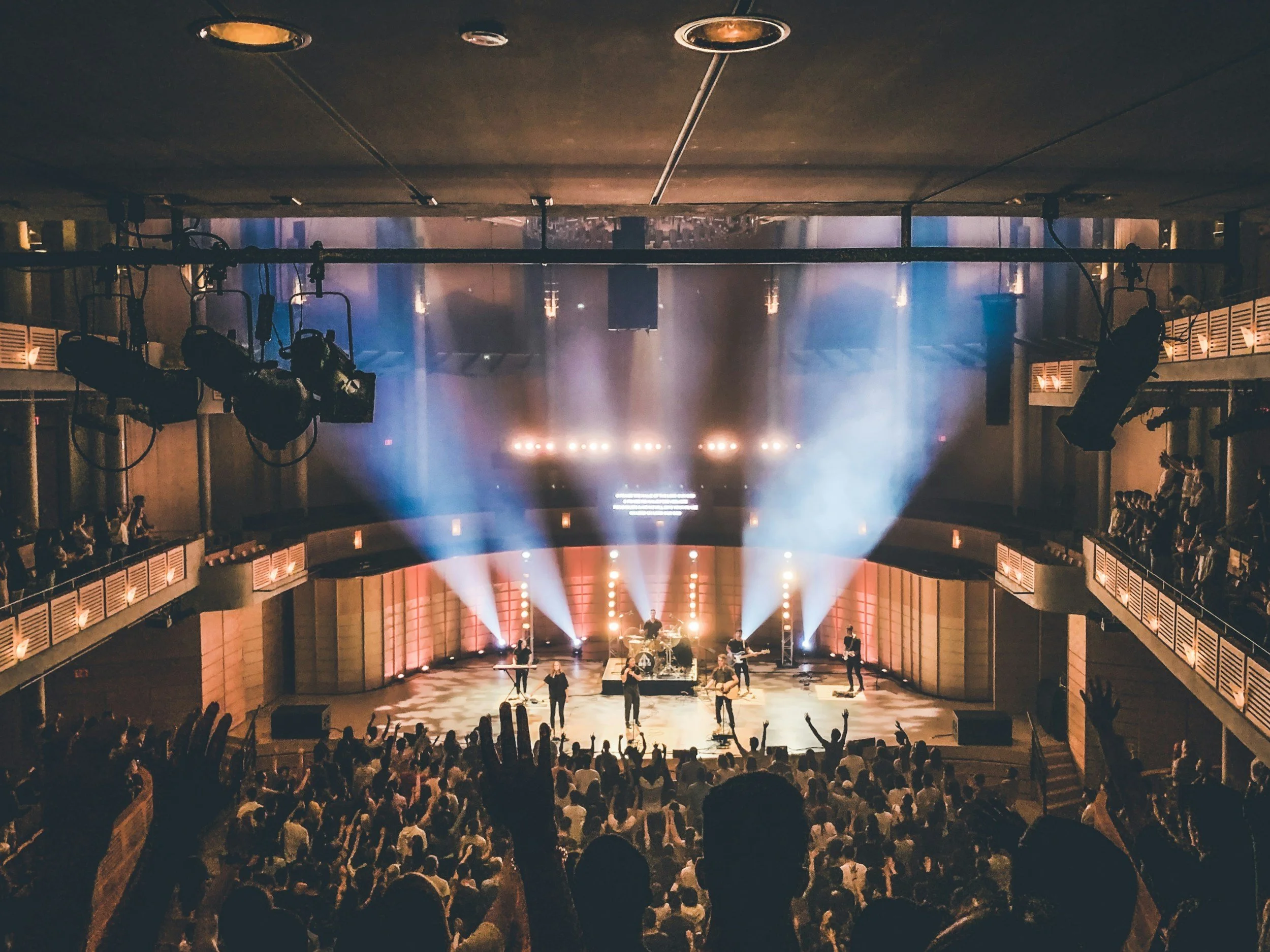
One of the most important lessons from the Shochiku project is the value of programming density. Cultural venues such as theaters and cinemas can host performances, screenings, and events on a daily basis, generating continuous activity within a district.
This dynamic becomes particularly powerful when combined with other large-scale entertainment infrastructure. Stadiums and arenas draw significant crowds, but their event calendars are typically concentrated around specific seasons or limited event dates.
Introducing nearby cultural venues allows districts to sustain activity between major sporting events. Theater productions, musicals, film screenings, and cultural performances can operate throughout the year, creating a more balanced entertainment calendar.
The result is an ecosystem in which different forms of entertainment reinforce one another. Sports events attract large audiences and global attention, while cultural programming maintains a steady flow of visitors and extends the district’s appeal to a wider range of audiences.
Chiba City: A Potential Theater Complex Near Chiba Stadium
This concept is particularly relevant for cities considering stadium redevelopment.
In Chiba City, discussions surrounding the redevelopment of Chiba Stadium highlight the opportunity to reimagine the surrounding district as a broader entertainment destination. While stadium modernization can strengthen the city’s sports infrastructure, the long-term vitality of the area will depend on its ability to attract visitors beyond game days.
One way to achieve this would be the development of a “Chiba Theater Complex” located near Chiba Stadium. Such a facility could include a mid-sized theater suitable for musicals, stage productions, and touring performances, alongside cinema screens and entertainment-focused commercial space.
Rather than competing with stadium programming, a theater complex would expand the district’s cultural offerings. Visitors attending sports events could also engage with other entertainment options, while theater audiences would bring additional traffic to the area during periods when the stadium is not hosting games.
Over time, this combination could transform the area into a broader entertainment district where sports, performing arts, and tourism intersect.
Our Perspective: Expanding the Stadium District Model
Japan Stadium Partners views Shochiku’s investment in Higashi-Ginza as an illustrative example of how cultural infrastructure can shape the identity and economic vitality of an entire city. By combining theaters, cinema facilities, hospitality, and commercial real estate within a single complex, the company is building a platform designed to attract audiences and visitors for decades to come.
For cities redeveloping stadium areas, similar thinking can help maximize the long-term impact of sports infrastructure. Pairing stadium venues with complementary cultural facilities such as theaters or cinemas can broaden programming, diversify audiences, and support year-round district activity.
In places like Chiba, where stadium redevelopment is under discussion, integrating a nearby theater complex could strengthen the surrounding district’s appeal while creating new opportunities for cultural programming and tourism. By combining sports infrastructure with performing arts venues, cities can create entertainment districts that generate sustained economic activity and reinforce their position as destinations for both domestic and international visitors.
(All images in this post are licensed stock images used for illustrative purposes only. Viewer discretion is appreciated.)
