Shochiku’s New Ginza Theater Complex and the Economics of Cultural Districts 2 of 3
Key Takeaways:
Shochiku’s mixed-use theater project illustrates how cultural venues can anchor broader entertainment districts, creating sustained visitor flows that extend beyond individual performances.
When combined with major event infrastructure such as stadiums, theater complexes can diversify programming calendars and support year-round activity within entertainment districts.
Cities redeveloping stadium areas have an opportunity to pair sports venues with nearby cultural facilities—such as theaters and cinemas—to create more resilient and internationally attractive urban destinations.
Article Summary
Kabuki producer Shochiku to invest $630m in new Tokyo theater complex (Nikkei Asia, March 7, 2026)
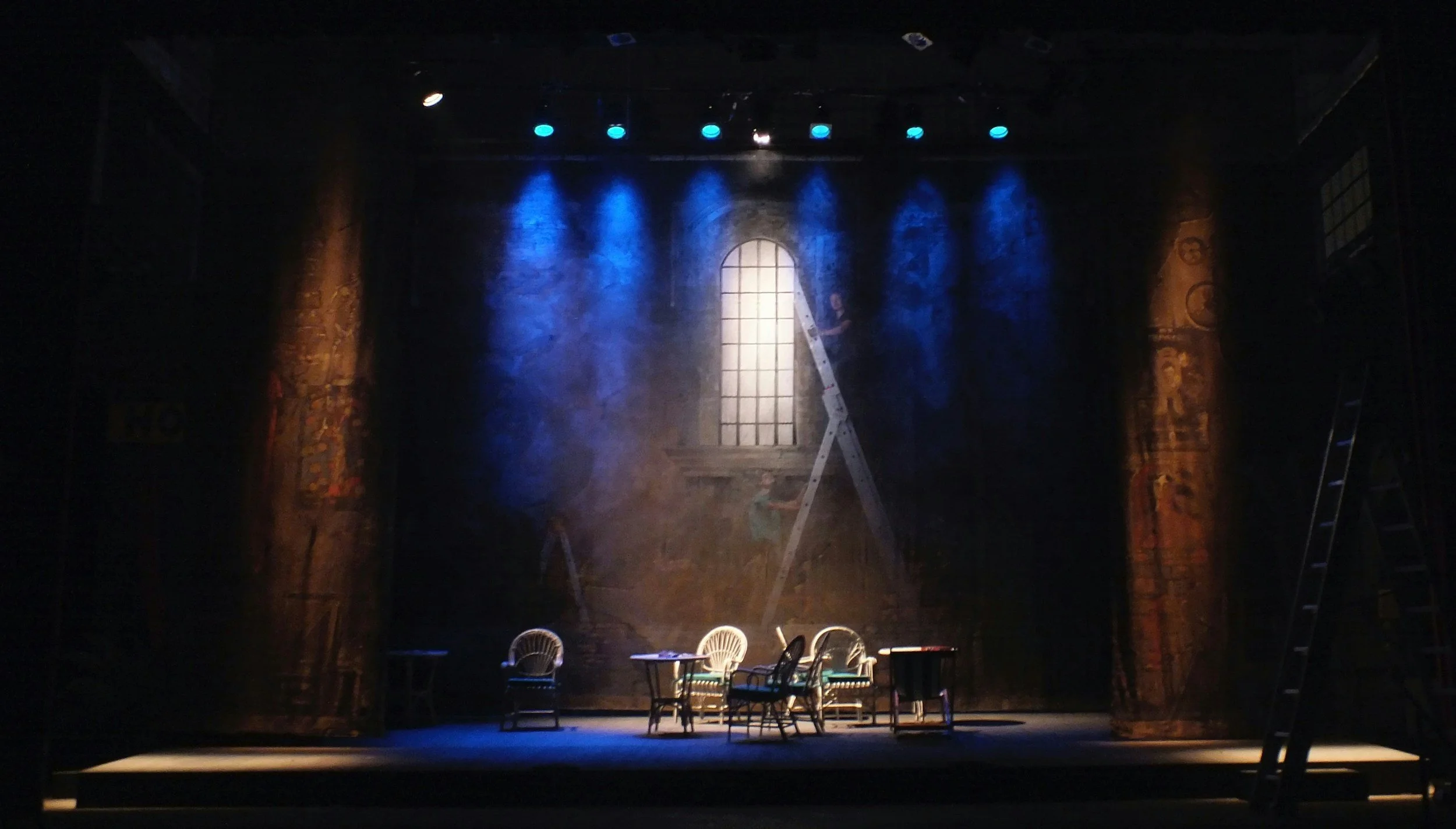
Shochiku plans to invest approximately ¥100 billion ($633 million) to redevelop its headquarters site in Tokyo’s Higashi-Ginza district into a roughly 30-story mixed-use cultural complex scheduled to open in 2035. The company aims to strengthen the surrounding area as a hub for Japanese culture and attract visitors from around the world, building on a cluster of existing cultural venues such as Kabukiza Theatre and Shinbashi Enbujo Theatre.
From Standalone Venues to Entertainment Ecosystems
Shochiku’s redevelopment plan highlights a structural shift in how entertainment infrastructure is conceived and financed. Rather than constructing a single-purpose theater, the company is developing a mixed-use cultural complex designed to support multiple revenue streams and attract diverse audiences.
The project integrates performing arts, cinema, hospitality, and office tenants within a single building. This combination reflects a broader strategy: entertainment venues increasingly function as components of larger urban entertainment ecosystems, where cultural programming, tourism activity, and commercial real estate reinforce one another.
This ecosystem approach creates several advantages. Cultural venues generate visitor demand, while surrounding hospitality, retail, and office tenants help sustain economic activity throughout the day and across seasons. The result is a district that remains active even when no major performance is scheduled.
Shochiku’s emphasis on clustering venues within the Higashi-Ginza area further strengthens this effect. By concentrating multiple theaters and entertainment facilities within a walkable district, the company is helping transform the neighborhood into a recognizable cultural destination for both domestic and international visitors.
The Intersection of Cultural and Sports Infrastructure
The article also notes that redevelopment is advancing in nearby areas of Tokyo, including plans for a large indoor multipurpose stadium on the former Tsukiji fish market site in the early 2030s.
This parallel development highlights an emerging relationship between cultural venues and major sports infrastructure. Stadiums and theaters serve different forms of entertainment, but they share many economic characteristics: both attract large audiences, support tourism, and stimulate surrounding retail and hospitality activity.
When these facilities are located within the same district, their combined presence can significantly expand the entertainment calendar. Sporting events typically occur on a limited number of days each year, while theater productions, concerts, and film screenings can operate continuously. Together, they create a broader programming mix capable of sustaining year-round visitor activity.
In this sense, cultural complexes such as the one Shochiku plans for Higashi-Ginza can complement large-scale event venues by extending the district’s entertainment offering beyond sports alone.
Applying the Model to Stadium Redevelopment
The principles visible in Shochiku’s project may also offer insights for cities considering stadium redevelopment. Modern stadium districts increasingly aim to function not only as sports venues but as multi-purpose entertainment environments that attract visitors throughout the year.
In this context, cultural infrastructure such as theaters, cinemas, and performance venues can play an important role. These facilities introduce programming that differs from sports events while drawing overlapping audiences interested in entertainment, tourism, and cultural experiences.
An illustrative example can be found in Chiba City, where the Chiba Stadium is undergoing redevelopment discussions. If the stadium is modernized or expanded as part of a broader district transformation, the surrounding environment could benefit from complementary cultural infrastructure.
A theater complex located near the stadium could include a mid-sized performance venue for plays and musicals, cinema screens, and entertainment-oriented commercial space. Such a facility would broaden the district’s programming while helping sustain activity on days when no sporting events are scheduled.
Rather than competing with stadium operations, a theater complex would complement the sports venue, attracting different audiences and supporting a more diverse entertainment environment.
Our Perspective: Expanding the Entertainment District Concept
Japan Stadium Partners views the Shochiku’s redevelopment project as to how cultural venues can function as catalysts for district-level development. By integrating theater, cinema, hospitality, and commercial space, the company is creating infrastructure designed to support sustained visitor flows and strengthen the surrounding neighborhood’s identity as a cultural destination.
For cities planning major sports infrastructure, the same logic can apply. Stadium redevelopment projects increasingly seek to activate surrounding districts through retail, hospitality, and entertainment programming. Incorporating cultural venues such as theaters and cinemas into these environments can expand the range of experiences available to visitors while supporting year-round economic activity.
In Part 3, we will explore how combining stadium infrastructure with cultural venues such as theater complexes can strengthen long-term urban development strategies and enhance the global appeal of entertainment districts in cities such as Chiba.
(All images in this post are licensed stock images used for illustrative purposes only. Viewer discretion is appreciated.)
