
MLB Sustainability and ESG-Driven Stadium Renewal 3 of 3
Key Takeaways:
MLB’s approach shows how sustainability can evolve from isolated initiatives into a structured governance system that reinforces stadium relevance, brand credibility, and civic legitimacy.
Chiba’s redevelopment can apply these lessons by building a unified ESG governance and measurement framework that spans design, operations, district mobility, and community engagement.
Embedding ESG into governance and financing—from naming rights to green funding channels—positions Chiba as an investable, future-proof stadium asset aligned with global institutional expectations.
Article Summary
MLB’s environmental initiatives—LED rollouts, solar power, LEED certifications, large-scale recycling, water and energy awards, and youth-focused programming—form a coordinated league-wide system. In contrast, Japan’s professional baseball clubs operate individually, with efforts such as Hanshin’s Zero-Carbon Baseball Park and Rakuten’s renewable-energy shift showing promise but lacking unified governance. The article calls for frameworks that align stakeholders and create shared environmental direction, noting progress in the J.League and the growing engagement of SDGs in Sports.
(Note: Article in Japanese language.)
From Club Projects to League-Level Systems: What MLB Reveals About Governance
The article’s description of MLB shows how environmental action becomes scalable only when governance reinforces it. MLB’s award structure incentivizes clubs. Its Waste Management partnership standardizes technical inputs. LEED adoption and solar programs give clubs a shared baseline. Because the league embeds these elements into operations and culture, sustainability becomes a consistent expectation rather than a function of individual ownership philosophies.
Japan’s baseball ecosystem, as the article notes, has strong pockets of innovation but lacks the mechanism that organizes them. Fragmentation is not an operational problem—it is a governance problem. Chiba’s redevelopment can respond to this gap by designing its stadium and district around ESG systems that other clubs can mimic: measurement protocols, operational playbooks, community activation templates, and reporting standards that clarify what “good” looks like.
Embedding Governance, Measurement, and Financing Into Chiba’s Basic Plan
Chiba’s redevelopment cycle offers the rare opportunity to consolidate Japan’s fragmented club-level efforts into a unified ESG platform. The reasons are grounded in the project’s timing, structure, and governance dynamics:
Chiba is revisiting foundational decisions—open-air or dome—which inherently forces analysis of energy loads, climate resilience, shading strategies, and airflow. These are the levers that determine long-term environmental performance.
The basic-plan phase controls systemic choices, from mechanical baselines to water use, waste pathways, district mobility, and partner selection. ESG embedded here becomes a requirement—not a retrofit.
Japanese baseball lacks a central sustainability spine, and the article highlights this gap explicitly. Chiba’s redevelopment can become the structural proof point that the entire league can reference, much like the J.League’s progress in football.
The scale of redevelopment allows Chiba to establish templates—design guidelines, district protocols, sustainability KPIs—that other franchises can adopt without starting from zero.
Chiba’s timing and governance conditions offer precisely the integrative mechanism the article suggests is missing across Japanese baseball — and JSP is positioned to help deliver it.
Chiba as Japan’s Template: Stadium, District, and Community Aligned Around ESG
MLB shows that sustainability resonates only when it moves beyond facility upgrades and becomes part of a city’s culture. For Chiba, this means linking redevelopment with visible environmental habits and community programs. The Dodgers’ youth-employment and environmental initiatives offer a template: fan education, school partnerships, and volunteer pathways can be structured as recurring assets of the district, not one-off campaigns.
Handled this way, Chiba shifts from a construction project to a national ESG showcase. When stadium operations, district mobility, tenant behavior, and the fan journey all reinforce the same environmental logic, the venue becomes a living demonstration of sustainable practice. The article’s call for alignment across leagues, clubs, and facility managers finds a direct answer in a redevelopment model that builds collaboration into Chiba’s physical design and day-to-day governance.
Our Perspective: Chiba as Japan’s ESG Governance Prototype
Japan Stadium Partners views MLB’s structured sustainability system as the clearest contrast to Japan’s fragmented approach — and as a roadmap for Chiba’s potential. With the right governance spine, Chiba’s redevelopment can embed ESG metrics, operational protocols, and accountability directly into the stadium’s basic plan, positioning it as the first venue in Japan capable of delivering a cohesive, MLB-style sustainability model rather than isolated club initiatives.
In this approach, Chiba becomes more than a new venue. It emerges as a national reference point for financing, regulatory alignment, naming-rights strategy, and community engagement. Fulfilling that role will require consistent coordination across public, private, and operational stakeholders, a function that JSP is already well positioned to support.
By treating sustainability as the organizing framework, Chiba can set the benchmark for stadium redevelopment, creating durable asset value, operational resilience, and investor-grade credibility rooted in the systems the article highlights.
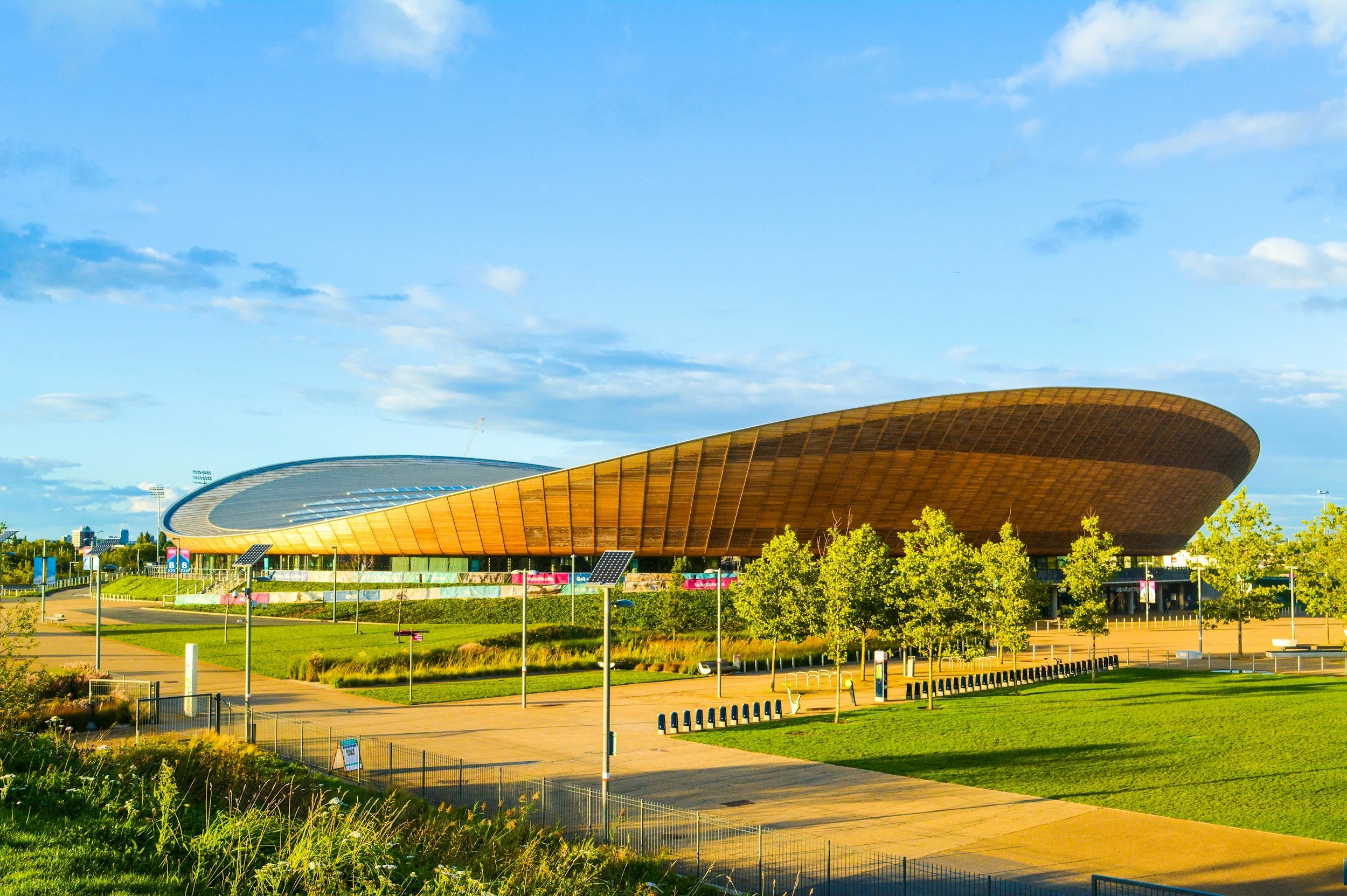
(All images in this post are licensed stock images used for illustrative purposes only. Viewer discretion is appreciated.)
