
Japan’s Gacha Meets the World’s Largest Content Market 3 of 3
Key Takeaways:
Gacha-based retail can strengthen long-term stadium asset value by adding flexible, IP-driven revenue channels that move in sync with event calendars and district programming.
Japanese stadium districts can use crane games and capsule toys to bridge sports, anime, gaming, and family audiences, creating year-round cultural gravity around the venue.
For global investors, gacha ecosystems offer predictable, modular, and high-margin layers that enhance the commercial case for stadium-led urban development.
Article Summary
Japanese toy pop-up store backed by Sega, Tomy comes to Los Angeles (Nikkei Asia, November 20, 2025)
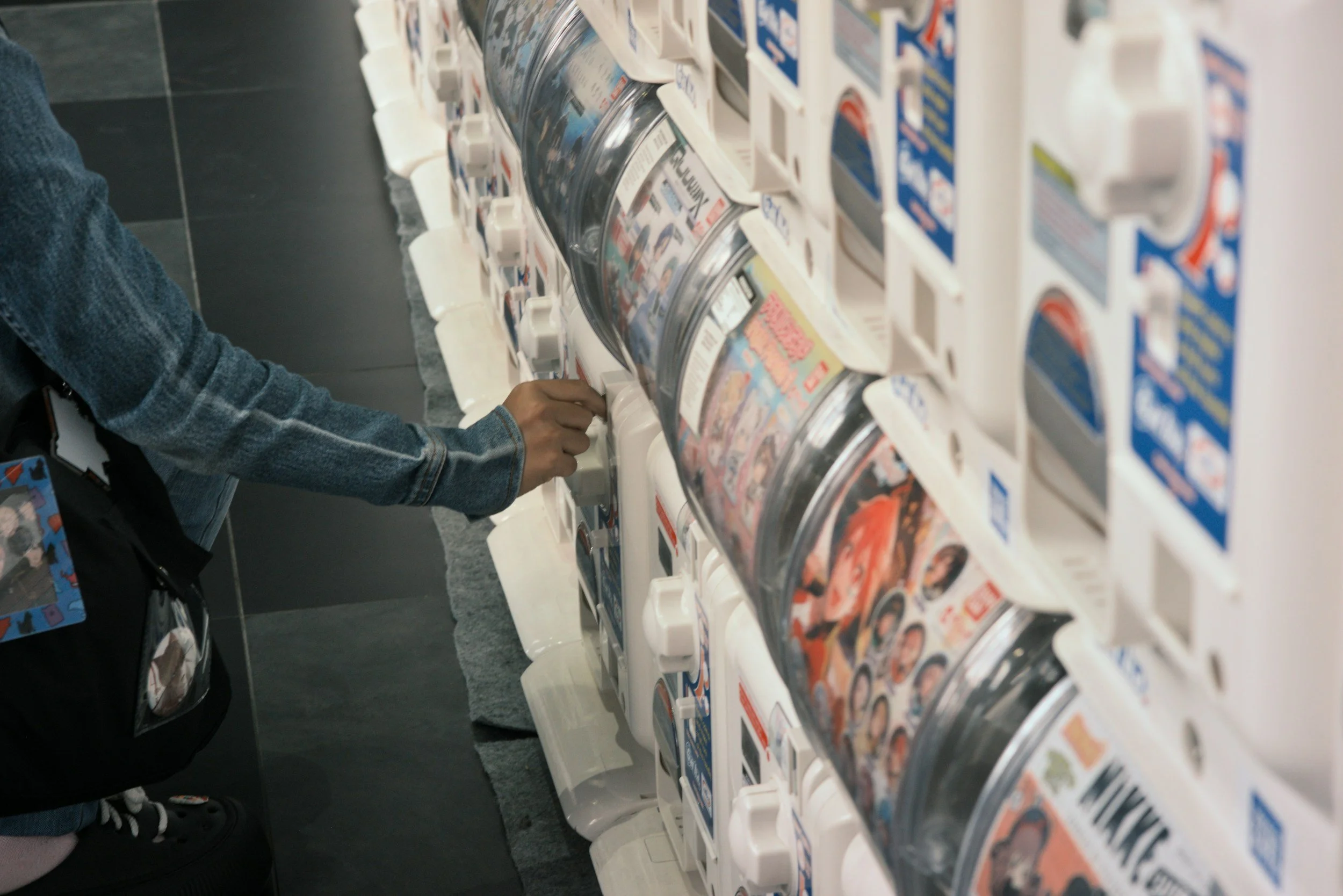
Mitsubishi, Sega, and Tomy are launching a six-month Gacha & Catch toy store in the Los Angeles area to test demand for crane games and capsule toys. A successful pilot may lead to hundreds of stores across the U.S. starting fiscal 2026. Sega brings crane-game and physical-store expertise, while Tomy deploys capsule machines in malls and theaters via Genda. With the U.S. content market vastly larger than Japan’s, and traditional fixed-price licensing limiting Japanese upside, the partners view gacha formats as a pathway to retain more value from Japanese IP.
Gacha Ecosystems as Long-Term Stadium Infrastructure
Gacha ecosystems support the long-term performance of stadium assets. These zones operate as micro-infrastructure, modest in size yet powerful when deployed at scale.
They strengthen venue economics by:
Creating durable, repeat-purchase habits tied to games, concerts, and anime-linked events.
Filling time slots where stadiums traditionally struggle to monetize, including pre-game arrival windows and shoulder seasons.
Supporting both planned and spontaneous activation, since machines can adapt quickly to new IP cycles or content surges.
This makes gacha ecosystems particularly attractive for stadium PPP and PFI frameworks seeking revenue sources that are stable yet low-risk.
Turning Stadium Districts into Cross-IP Experience Hubs
The article underscores the cross-border appeal of Sega and Tomy’s character portfolios. When applied to stadium districts, that breadth becomes a strategic asset. Japanese venues can cluster gacha machines by theme—sports, character IP, anime collaborations—so the district becomes a cross-IP experience hub rather than a single-use destination.
Some integration pathways include sports-anchored IP, where team mascots, seasonal rivalries, and commemorative moments are translated into limited-edition capsule items. They also include anime and gaming tie-ins, with drops timed to streaming upgrades, theatrical premieres, or character anniversaries. Family programming forms a third pathway, with zones configured for children and casual visitors, increasing dwell time while easing congestion around the bowl.
These layers create a unified cultural platform that differentiates Japanese stadiums from global peers and supports year-round programming without relying solely on sports calendars.
Investor Implications: Scalable, Modular, and Data-Rich
For global investors evaluating Japan’s stadium pipeline, the model described in the article (trial → refine → scale) maps cleanly onto institutional expectations around risk, return, and replicability.
Gacha-based retail contributes to investor-grade outcomes through:
Modularity: Machines shift across zones without structural alteration, allowing operators to flex capacity and placement efficiently.
Data capture: Play frequency, item preference, and seasonal variation generate clear, measurable patterns that support predictive merchandising.
Low operating cost: Staffing, maintenance, and inventory risk remain modest compared with traditional retail.
These qualities turn gacha ecosystems into scalable revenue nodes that may be small individually but become materially significant across a multi-venue portfolio, particularly when supported by coordinated planning and oversight that groups like JSP can provide.
Our Perspective: Building a Future-Proof Stadium District through Gacha Layers
Japan Stadium Partners reads the article’s signals as evidence that gacha retail can become a durable operating layer within Japan’s stadium districts. Rather than treating crane games and capsule toys as novelty attractions, we see them as modular tools that reinforce how Japanese IP is experienced physically and how districts sustain engagement between major events.
The combination of flexible licensing, compact footprint, and rapid IP rotation enables stadium operators to shape consistent revenue patterns that adapt to sports calendars, anime cycles, and visitor demographics including the global customer base. By embedding these formats thoughtfully across concourses, plazas, and adjacent mixed-use zones, Japanese venues can capture more of the economic upside that typically flows to external retailers while strengthening cultural appeal for both domestic and international audiences.
This approach aligns stadium performance with broader urban objectives, positioning each venue as a cultural gateway where sports, entertainment, and Japanese IP converge in a way that is commercially resilient and institutionally credible.
(All images in this post are licensed stock images used for illustrative purposes only. Viewer discretion is appreciated.)
