Greater Tokyo Urban Development and the Rise of New Tourism Districts 2 of 3
Key Takeaways:
The spread of experiential developments across Greater Tokyo suggests a broader model for regional revitalization in which major event infrastructure can anchor diversified entertainment districts.
Sports venues can act as catalysts for surrounding development, but their long-term economic impact depends on complementary attractions that generate activity beyond event days.
Cities within the metropolitan region, including those in Chiba Prefecture, have an opportunity to combine stadium redevelopment with cultural venues and mixed-use districts to build sustainable visitor economies.
Article Summary
Greater Tokyo spruces up with new hotspots in 2026 (Nikkei Asia, January 10, 2026)
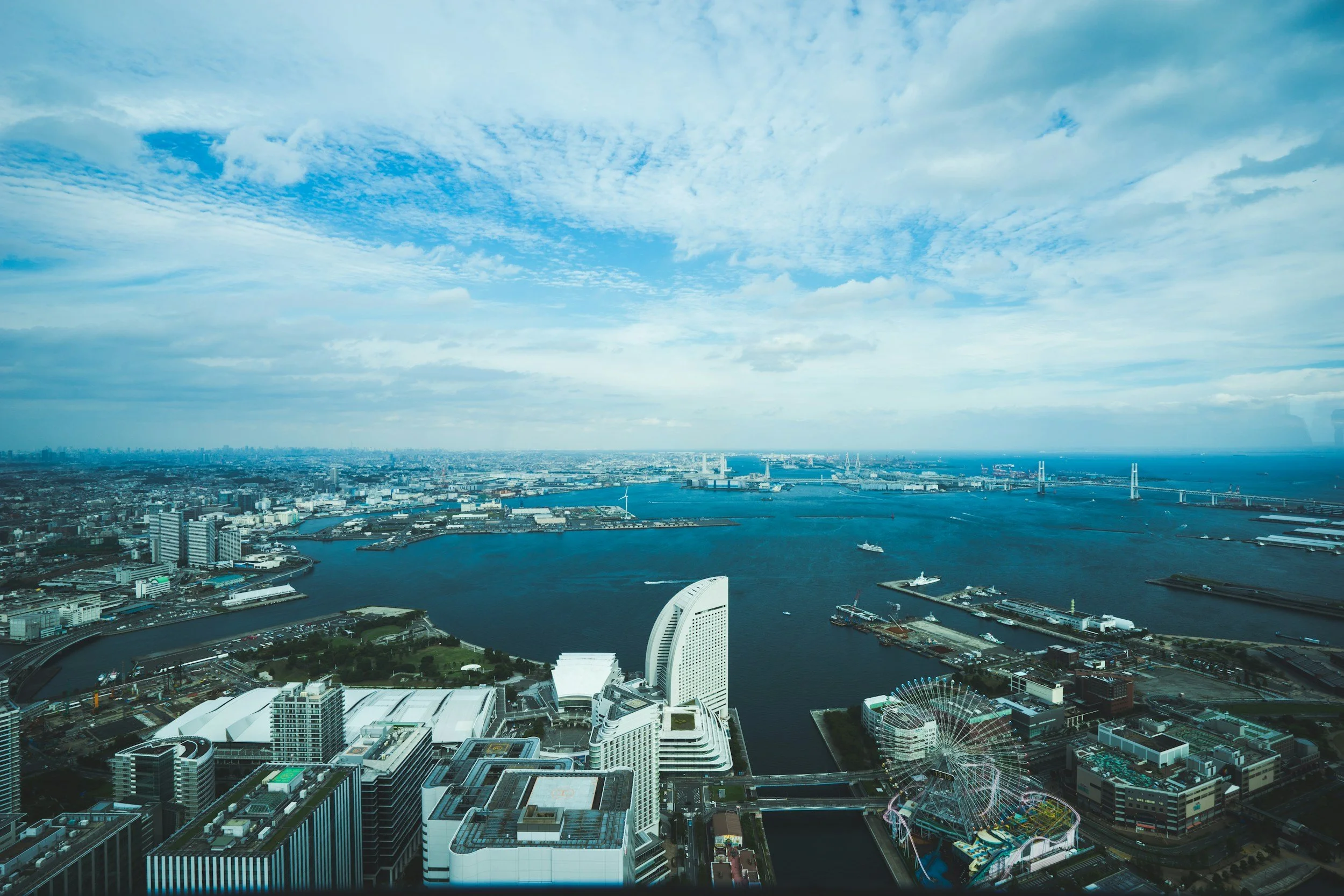
Several projects scheduled around 2026 signal a new phase of development across Greater Tokyo as policymakers and developers seek to distribute tourism activity more widely across the metropolitan area. New attractions such as the Odaiba fountain and the reopening of the Edo-Tokyo Museum aim to expand cultural and nighttime tourism. Meanwhile, mixed-use redevelopment in districts like Yaesu, Nihonbashi, and Yokohama, along with new retail and entertainment complexes in nearby cities such as Narashino in Chiba, reflects a broader push to strengthen regional destinations beyond central Tokyo.
Sports Infrastructure as a Catalyst for Urban Districts
One of the most notable themes emerging from metropolitan development patterns is the increasing role of sports infrastructure as a catalyst for broader urban districts.
Large-scale venues naturally attract significant visitor traffic during events, but their economic potential is often constrained by the limited number of days on which games or major events take place. To address this challenge, cities and developers are increasingly planning surrounding districts that include entertainment, retail, hospitality, and cultural programming.
The project underway in Yokohama provides a clear illustration of this approach. The new mixed-use complex near Kannai Station is designed to connect directly with Yokohama Stadium and support a sports-driven urban environment. Public viewing spaces and surrounding commercial activity extend the stadium’s influence beyond the interior of the venue itself.
This type of development reflects a broader strategic principle: sports venues perform best economically when integrated into larger entertainment districts rather than operating as standalone facilities.
Expanding the Entertainment Calendar
For cities seeking to maximize the economic impact of stadium infrastructure, one of the most important considerations is programming density.
Stadiums often host events on a limited number of days each year. Without additional attractions nearby, surrounding districts can remain underutilized during long periods between games or concerts.
Experience-driven development offers a solution. By introducing complementary venues such as theaters, cinemas, public gathering spaces, and cultural attractions, cities can expand the entertainment calendar and attract visitors on a daily basis.
The presence of a theater within the Tofrom Yaesu complex in central Tokyo illustrates this principle. Cultural programming can operate continuously, drawing audiences at times when other commercial activity might slow.
When combined with major event infrastructure, these cultural venues create an ecosystem in which different forms of entertainment reinforce one another.
A Potential Application in Chiba: Building a Sports and Entertainment Hub
This approach may also offer opportunities for regional cities seeking to strengthen their economic and tourism positioning within the Greater Tokyo metropolitan area.
In Chiba City, the redevelopment of Chiba Stadium presents an opportunity to consider how sports infrastructure could anchor a broader entertainment district. While modernization of the stadium itself would improve the spectator experience and support sporting events, the surrounding area could benefit from complementary attractions capable of drawing visitors throughout the year.
One possible direction is to combine sports and entertainment development with place-based experiences that leverage Chiba’s local strengths, similar to how destinations such as Fisherman’s Wharf in San Francisco transformed maritime heritage, seafood culture, and waterfront activity into a major tourism draw. Chiba’s proximity to Tokyo Bay, its strong seafood and food culture, and its accessibility from central Tokyo provide a foundation for a comparable district concept adapted to local conditions.
Within this framework, a Chiba Theater Complex located near Chiba Stadium could serve as a cultural anchor. A mid-sized theater capable of hosting touring musicals, stage productions, and cultural performances would expand the district’s entertainment offering while attracting audiences who might not otherwise visit the area for sports events.
Combined with cinema screens, dining establishments that highlight Chiba’s coastal food culture, and entertainment-oriented retail, such a development could help transform the stadium district into a broader cultural destination.
Rather than competing with stadium activity, theater programming and food-driven attractions would complement the sports calendar by creating additional reasons for visitors to come to the area throughout the year.
Our Perspective: The Next Layer of Regional Development
Japan Stadium Partners observes that development patterns emerging across the Tokyo metropolitan area indicate that the most successful urban districts will be those able to integrate multiple forms of entertainment, culture, and public space.
Sports venues represent powerful anchors for this type of development. However, their long-term economic contribution depends on the presence of complementary attractions that keep districts active throughout the year.
Cities such as Chiba, located within reach of central Tokyo yet possessing their own cultural and geographic advantages, have an opportunity to apply these principles in ways that reflect local identity and community needs.
In Part 3, we will explore how a broader revitalization strategy that combines sports infrastructure, cultural venues, waterfront development, and tourism oriented public spaces could help shape the next generation of regional destinations within the Greater Tokyo area.
(All images in this post are licensed stock images used for illustrative purposes only. Viewer discretion is appreciated.)
